


If you’ve been recording for a while, you’ve probably wondered whether an outboard mic preamp will really make a difference. The short answer? Yes, but only if you pick the right one for your setup and your microphones. A good preamp can add clarity, vibe, and headroom that your audio interface’s built-in pres just can’t match.
The problem is, not all mic preamps actually improve your sound in a meaningful way. Some are just different. The ones in this list are here because they do something you’ll actually hear, whether that’s adding weight, shaping tone, or giving you cleaner, more usable gain.
If you just want the answer, check out the Quick Picks below. Otherwise, keep reading and I’ll break down exactly what each of these preamps does well and where it makes sense in a real-world setup.
Affiliate Disclosure:
Some of the links in this article are affiliate links. If you purchase through these links, Sonic Odyssey may earn a small commission at no additional cost to you. This helps support the site and allows us to continue creating in-depth guides for music producers.
Pick one. Start recording. Stop wondering if your interface preamp is “good enough.”
Best Overall: Warm Audio TB12 Tone Beast
Best for British Color: Warm Audio WA73-EQ
Best for I/O Expansion: Focusrite Scarlett OctoPre
Best Bang for Your Buck: Cranborne Audio Camden EC1
Recommended Reading
Check out these related guides to take your recordings further:
 Zachary Darrel Randall
Find a pair you can actually trust when making mix decisions
 Zachary Darrel Randall
Solid monitor options that won’t wreck your room or your wallet
 Zachary Darrel Randall
Depth, space, and vibe without getting lost in bad plugins
Warm Audio TB12 Tone Beast
Best For:
- Adding weight and character to vocals and guitars
- Dialing in different flavors of analog saturation
- Engineers who want flexibility without committing to one sound
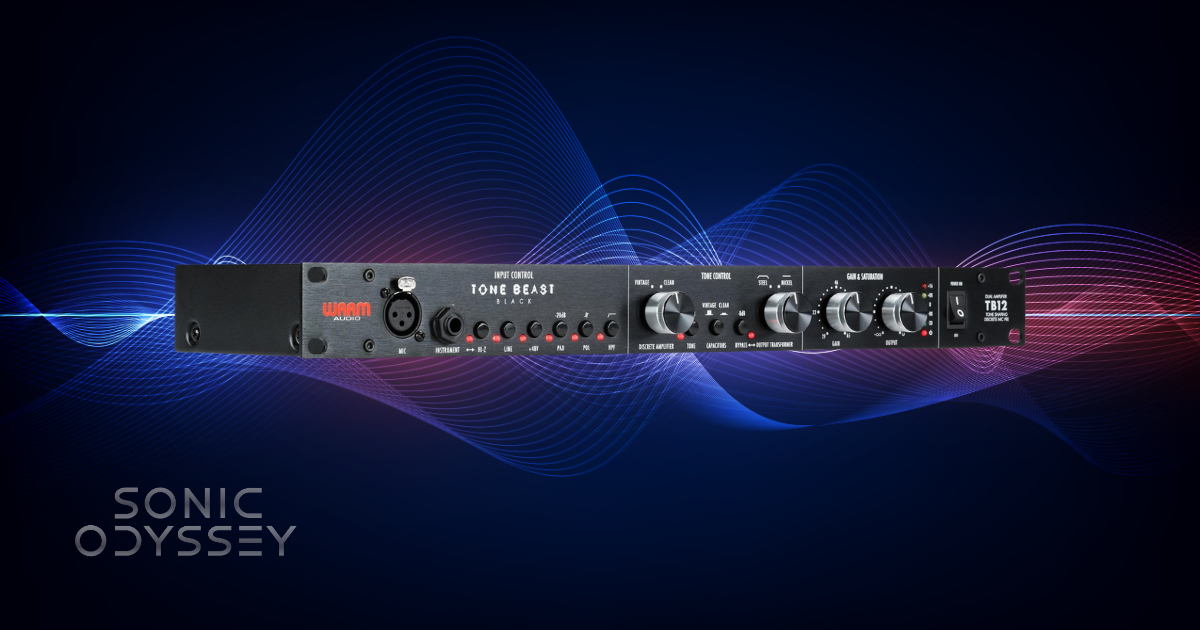
The Warm Audio TB12 Tone Beast has become one of my go-to preamps, especially for tracking vocals. It’s one of those pieces of gear that doesn’t just sit in your rack, you actually reach for it because you know it’s going to give you something useful right away.
At its core, the Tone Beast leans into that classic American console sound. It has a bit more punch and attitude compared to smoother, more vintage-style pres, and you can really hear that on sources like vocals, guitars, and bass. It doesn’t just capture what’s there, it adds a bit of energy and forward movement to the signal.
What makes it stand out is how much control you have over the character. Between the op-amp options and transformer switching, you can go from relatively clean to thick, aggressive, and saturated without touching a plugin. It’s not subtle when you push it, in a good way. Vocals come forward, guitars pick up weight, and DI signals feel more alive.
In real-world use, this is the kind of preamp that helps a track feel more “finished” on the way in. If you’re tracking vocals, it can add presence and density without immediately reaching for compression and saturation plugins later. On guitars and bass, it can give you that extra bit of harmonic content that makes things sit better in a mix.
✅ Multiple tone-shaping options with op-amp and transformer switching
✅ Can range from clean to aggressive depending on settings
✅ Great for vocals, guitars, and DI sources
✅ Adds noticeable weight and harmonic content compared to interface pres
The TB12 earns its spot as the best overall pick because of how flexible and immediately useful it is. If you’re looking for a preamp that will actually change how your recordings feel, not just measure better on paper, this is an easy recommendation.
Stop guessing what your tracks could sound like, check what it’s going for right now.
Warm Audio WA73-EQ
Best For:
- Classic British color and vintage-style warmth
- Vocals that need thickness and presence
- Heavy guitars and creative EQ shaping on the way in
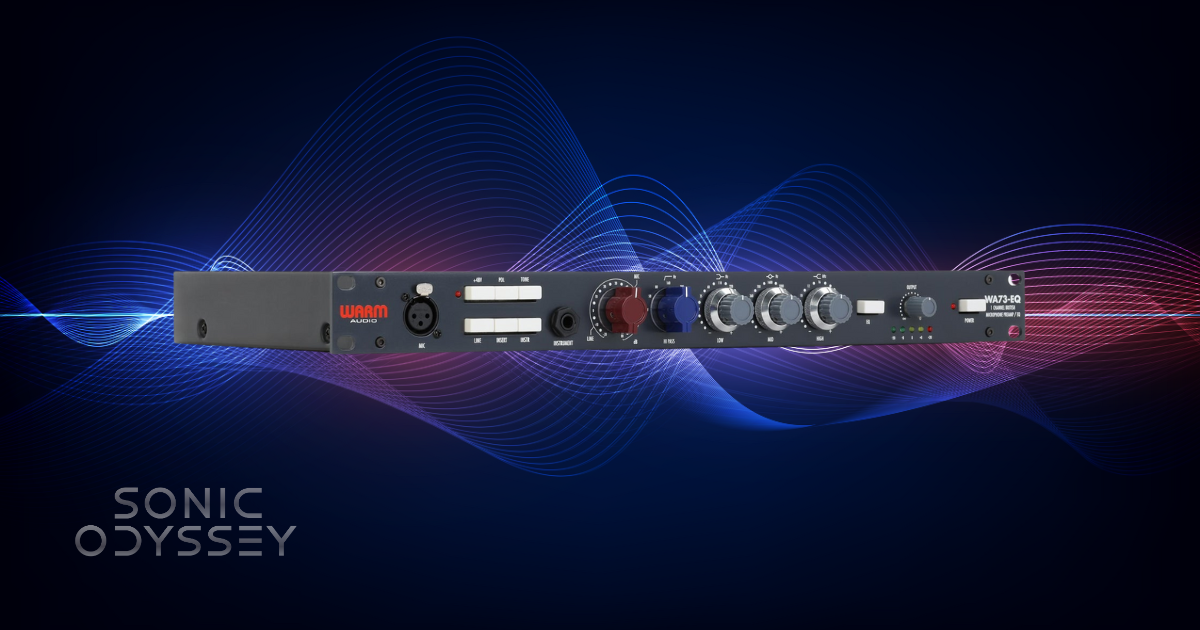
If you’re chasing that classic British color, the Warm Audio WA73-EQ delivers exactly what you’re expecting. This is that thick, slightly rounded, harmonically rich sound that has been all over records for decades, and it still works for a reason.
This is another killer preamp for vocals. It adds weight and presence in a way that feels natural, not hyped, and it tends to sit in a mix with less effort compared to cleaner interface pres. It’s not as flexible as something like the Tone Beast, but that’s kind of the point. You’re buying into a sound, and it does that sound really well.
Where this unit really gets fun is with the built-in EQ. This is one of those pieces where you can go full mad scientist, especially when you pair it with a ribbon mic on heavy guitar tracks. You can shape the tone on the way in, carve out space, or push things into that thick, aggressive territory before it ever hits your DAW.
In real-world use, this is less about endless tweaking and more about finding the sweet spot and committing. Once it’s dialed, it tends to just work.
It’s also worth noting that Warm Audio offers this in stereo and non-EQ versions if you need more flexibility or want to build out a larger setup over time.
✅ Classic British-style tone with rich harmonic character
✅ Built-in EQ adds serious tone-shaping capability
✅ Excellent for vocals, guitars, and ribbon mic pairings
✅ Helps sources sit in a mix with less processing
The WA73-EQ earns its place as the go-to for vintage-style color. If you want that classic tone and don’t need a ton of flexibility, this is one of the easiest ways to get there under $1,000.
If you’re after that classic sound, see what it’s going for right now.
Cranborne Audio Camden EC1
Best For:
- Clean, high-headroom recordings without added color
- Adding controlled saturation when you actually want it
- Engineers who want flexibility in a single preamp
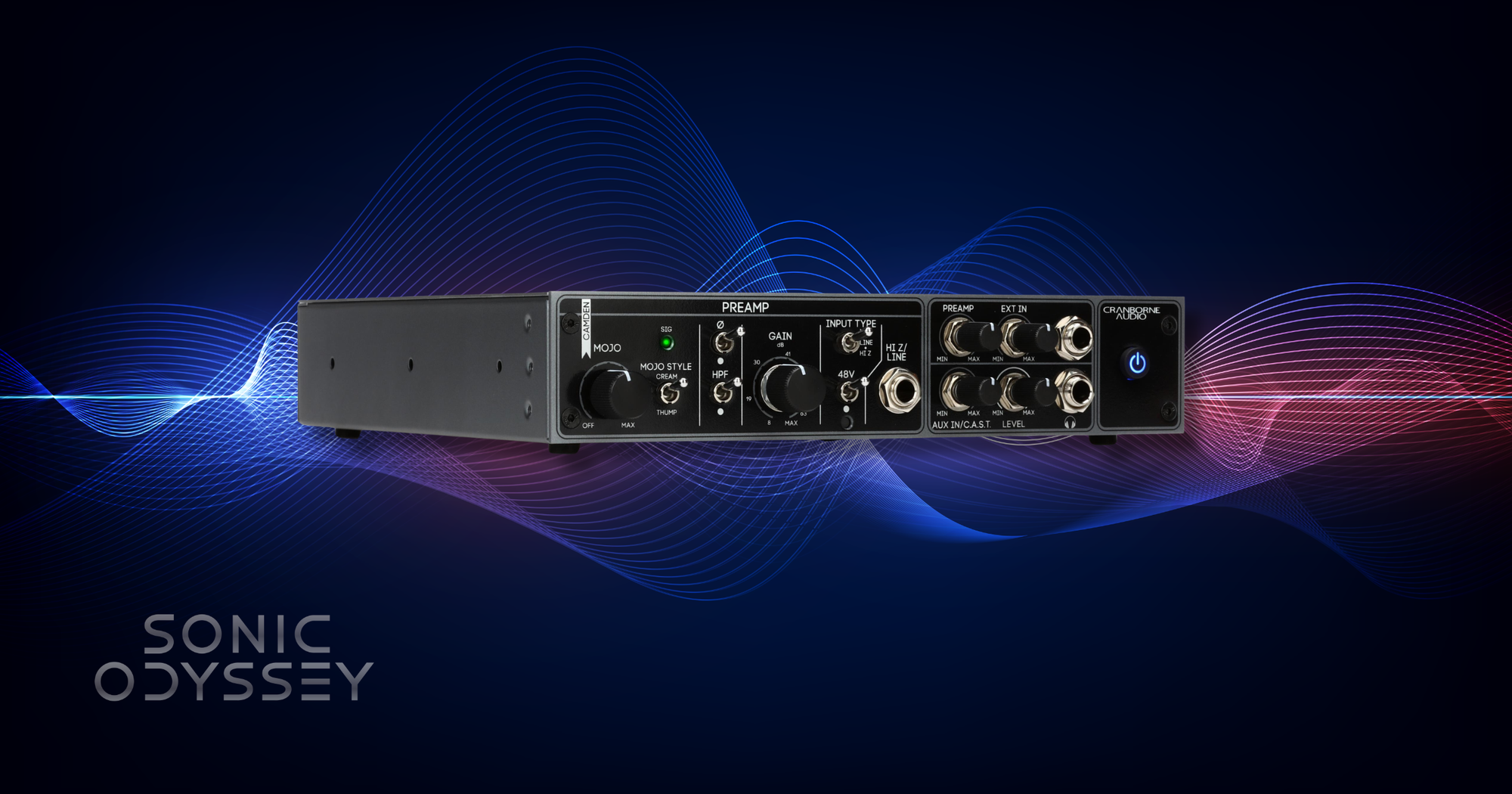
The Cranborne Audio Camden EC1 is one of those preamps that flies under the radar a bit, but probably shouldn’t. It’s designed to be extremely clean and open by default, with plenty of headroom and gain on tap, which already puts it a step above most built-in interface pres.
Where it separates itself is the Mojo circuit. This isn’t a gimmick or a one-note saturation switch. You get two distinct flavors, Thump and Cream, that let you shape the signal in a more intentional way. Thump adds weight and low-end density, while Cream leans more into harmonic saturation and smoothing out transients.
What makes this interesting in practice is that you’re not locked into a single sound. You can track something clean and pristine, or you can start dialing in character depending on the source. That kind of flexibility is rare at this price point.
From real-world testing, the EC1 holds up well even in untreated environments and with less expensive microphones. It stays clear and usable, but still gives you the option to shape the tone on the way in when needed. That makes it a strong choice for home studios where you need gear to adapt to different situations.
It also includes some thoughtful extras like built-in monitoring options and a high-quality headphone amp, which makes it more useful as a front-end hub rather than just a standalone preamp.
✅ Extremely clean and open sound with high headroom
✅ Mojo circuit adds two distinct, usable saturation options
✅ Flexible enough to handle clean or colored tracking
✅ Strong feature set for home and project studios
The Camden EC1 earns its spot as the best bang for your buck because it covers a lot of ground in a single unit. If you want a preamp that can stay out of the way or step in and shape your tone when needed, this is one of the most versatile options in this price range.
If you want clean when you need it and color when you don’t, check what it’s going for right now.
If you’re building your setup, stop paying full price. We track the best deals from Plugin Boutique and update them constantly so you can grab top-tier tools before the prices jump back up.
Featured Plugin Deals: The best plugins worth buying—at prices that actually make sense.
Newest Plugin Deals: Fresh discounts just added. This is where the newest steals show up.
Deals Ending Soon: Prices about to go back up. If you’re even thinking about it, check these first.
Plugin Deals Hub: Browse all current deal pages across categories like EQ, reverb, delay, and more.
Get the deals now:
👉 Featured Plugin Deals
👉 Newest Plugin Deals
👉 Plugin Deals Ending Soon
👉 Browse All Plugin Deals
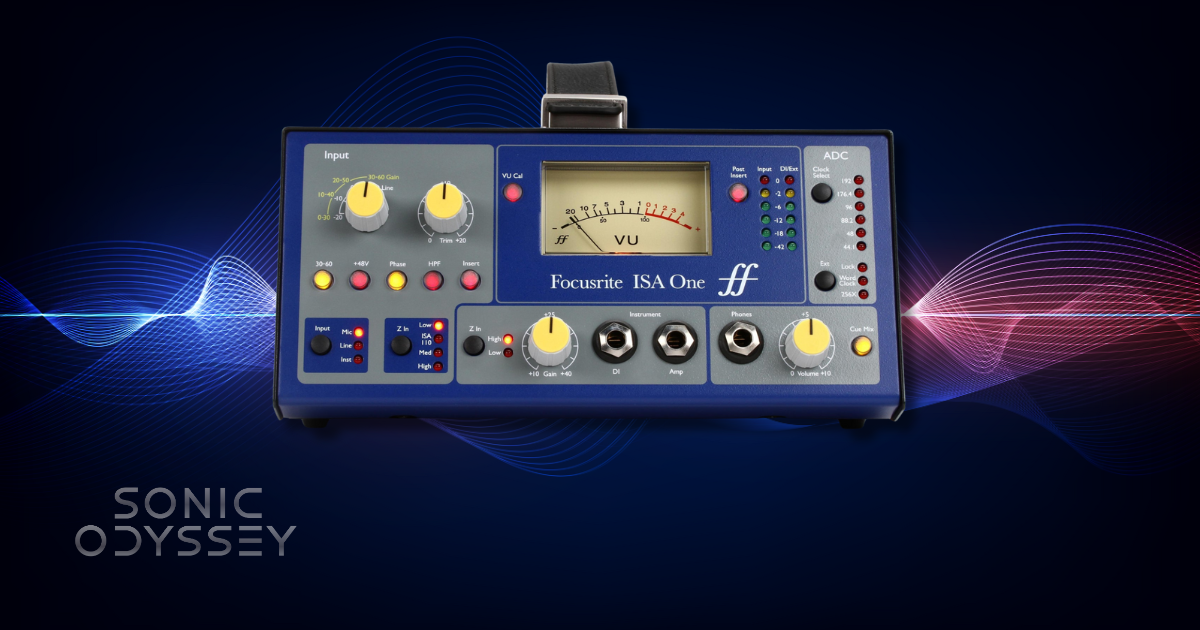
Focusrite ISA One
Best For:
- Clean recordings with a bit of transformer character
- Vocals and instruments that need clarity without sounding sterile
- Engineers who want a more “classic” clean preamp
Focusrite’s ISA series has been around forever for a reason. The ISA One brings that classic Rupert Neve-designed circuit into a compact, affordable format, and it strikes a really nice balance between clean and character.
This isn’t a heavy color box like the WA73, and it’s not as ultra-clean and modern as something like the Camden. It sits right in the middle. You get clarity and openness, but there’s still a bit of weight and density from the transformer that keeps things from feeling thin or clinical.
My first “real” outboard preamp was the ISA Two, and I still remember tracking vocals for one of the North albums and freaking out because the red LEDs were lighting up on the VU meter. I thought I was completely blowing out the signal. Then I listened back and realized it sounded great. That was a bit of a lightbulb moment in understanding how these pres actually behave compared to interface inputs.
In real-world use, the ISA One is just easy to work with. It takes EQ and compression well, it handles a wide range of sources, and it gives you a solid, reliable foundation without forcing a specific sound on everything.
If you need more channels, the ISA lineup scales up nicely with the ISA Two, ISA 428, and ISA 828, all of which carry the same general character across multiple inputs.
✅ Clean, clear sound with subtle transformer weight
✅ Great for vocals, instruments, and general tracking
✅ Sits nicely between sterile and heavily colored preamps
✅ Expandable ecosystem with multi-channel ISA options
The ISA One earns its place as a dependable, do-it-all preamp with just enough character to keep things interesting. If you want something that improves your sound without pushing it too far in any one direction, this is a solid choice.
If you want clean with a bit of analog feel, check what it’s going for right now.
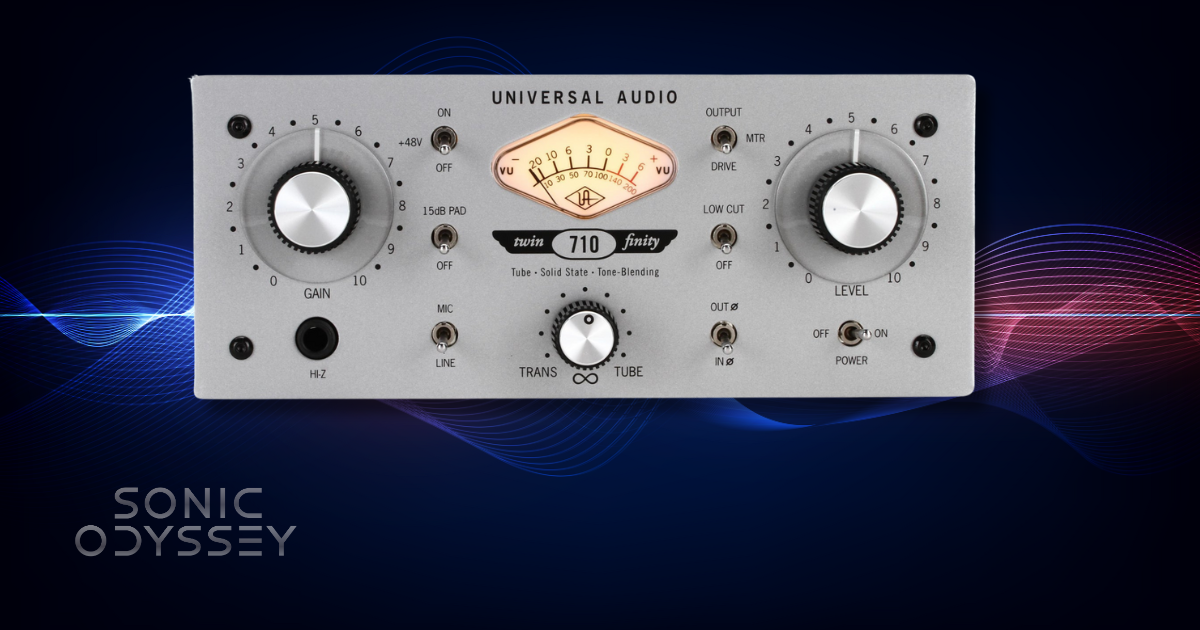
Universal Audio 710 Twin-Finity
Best For:
- Blending tube warmth with solid-state clarity
- Dialing in tone without committing to a single sound
- Vocals, bass, and sources that benefit from subtle shaping
If you read this site frequently, you’ll know I’m a huge nerd for everything from Universal Audio. The 710 Twin-Finity is one of their more unique pieces because it doesn’t lock you into a single flavor. Instead, it lets you blend between tube and solid-state circuits, which gives you a surprising amount of control over the tone.
At its simplest, you can think of it like this. Want something clean and punchy? Lean toward the solid-state side. Want more warmth and saturation? Push it toward the tube side. Or sit somewhere in between and shape it to taste. It’s not about extremes, it’s about finding the right balance for the source.
In practice, this makes it a really versatile tracking tool. Vocals can get a bit of extra thickness without losing clarity, bass can pick up some harmonic richness, and you can subtly shape things before they ever hit your DAW. It’s not as aggressive or character-heavy as something like the Tone Beast or WA73, but that’s part of its appeal.
This is also one of those units that rewards experimentation. Small adjustments to the blend control can change how a source sits in a mix, which makes it easy to dial things in without overprocessing later.
If you need to scale things up, the UA 4-710d expands on this concept with four channels and built-in compression, making it a solid option for larger tracking setups.
✅ Blendable tube and solid-state circuits for flexible tone shaping
✅ Great for vocals, bass, and general tracking
✅ Subtle, musical coloration without going overboard
✅ Expandable path with the UA 4-710d
The 710 Twin-Finity earns its place as one of the most flexible preamps in this range. If you want something that can adapt to different sources without locking you into a single sound, this is a strong option.
If you want flexibility without overthinking it, check what it’s going for right now.
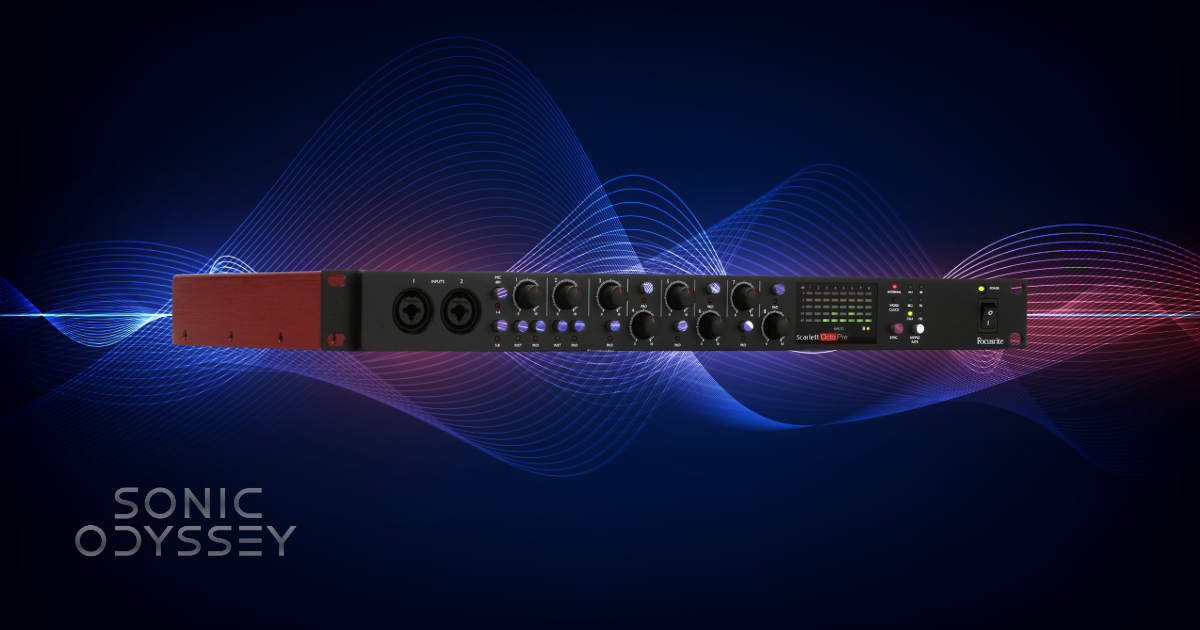
Focusrite Scarlett OctoPre
Best For:
- Expanding your setup with multiple clean mic inputs
- Recording drums, bands, or multi-mic sessions
- Adding reliable I/O without blowing your budget
At a certain point, you’re going to want to record drums. Or a full band. Or just more than two things at once. That’s when something like the Scarlett OctoPre starts to make a lot of sense.
This isn’t about chasing a specific tone. It’s about adding eight clean, usable preamps to your setup via ADAT so you can actually handle bigger sessions. The pres themselves are solid and reliable, and they get the job done without introducing noise or weird artifacts.
My first “okay, I have a ton of inputs now” setup was a first-gen Scarlett 18i20 paired with the original OctoPre Dynamic. I still have the 18i20, and that setup was what really opened the door to recording full drum kits and multi-mic sessions without rebuilding my entire rig.
In real-world use, the OctoPre is a workhorse. It’s not flashy, but it’s dependable, and that matters more than anything when you’re dealing with a lot of inputs at once.
Focusrite also offers a Dynamic version with built-in compression on every channel, which can be useful for tracking with a bit of control on the way in. And if you want to step things up a bit, the Clarett OctoPre gives you improved headroom and overall audio quality while keeping the same general concept.
✅ Adds eight clean mic preamps via ADAT
✅ Reliable, no-nonsense performance for multi-mic setups
✅ Great for drums, bands, and expanded tracking sessions
✅ Upgrade paths with Dynamic and Clarett versions
The Scarlett OctoPre earns its place here because at some point, capability matters just as much as tone. If you need more inputs and want something that just works, this is one of the easiest ways to get there.
If you need more inputs without rebuilding your entire setup, check what it’s going for right now.
Upgrade Options Worth Considering
If you’ve got more budget and want to step into serious territory, here are two worth looking at:
- SSL PureDrive Quad - Four channels of SSL’s signature punch and depth. Great for guitars, vocals, and basically anything you throw at it. An eight-channel version is also available.
- Empirical Labs EL-9 Mike-E - Part preamp, part compressor, part saturation tool. Empirical Labs makes gear you’ll never regret buying.
Things to Consider Before Buying a Preamp
A preamp isn’t just about “better sound.” It’s about the right kind of sound for what you’re trying to do. There are several key questions to weigh before you put money down, and each deserves more than a quick bullet point.
What are you trying to accomplish?
Different preamps have different strengths. Some are designed for pristine, transparent gain that captures every nuance, while others lean heavily into saturation and color. If you want your recordings to sound bigger and more dimensional, choosing a preamp that matches your sonic goals matters more than following trends or spec sheets. For example, a transformer-based pre will often add thickness, while a clean solid-state circuit might give you surgical clarity.
It’s also worth thinking about the number of channels you need. If your goal is only to record vocals or a single instrument at a time, a single-channel preamp with plenty of headroom and tone-shaping options may be perfect. But if you’re tracking drums, running stereo pairs, or miking a guitar cab with multiple microphones, you’ll quickly run out of inputs. In those cases, a multi-channel preamp or an ADAT expander can save you money and hassle in the long run.
How will it connect to your interface?
Connectivity is critical. Many affordable preamps expand via ADAT, which is convenient if your interface supports it, but useless if it doesn’t. Others rely on analog line inputs, which means you need enough I/O on your interface to make use of them. Before buying, sketch out your signal chain so you’re not stuck with a box that can’t easily integrate into your current setup. If you're doing analog connections, make sure to go into a line input and not run your preamp into another preamp...unless you’re a mad lad and know exactly what kind of chaos you’re trying to create.
Will your mics benefit?
Not every microphone actually needs an external preamp. Condensers usually sound great through clean interface pres. But ribbons and dynamics often require more gain, and a better preamp can make the difference between dull and detailed. If you already own gain-hungry mics like the Shure SM7B or a ribbon like the Beyerdynamic M160, investing in a quality preamp is almost mandatory. Also, don't start investing in a preamp upgrade if you're still rocking Behringer and MXL mics.
Tubes don't magically make a circuit good.
It’s easy to assume tubes automatically mean warmth and magic, but that’s not always the case. A lot of cheaply-made gear will try to market itself as “boutique” just because it includes a tube. Don’t get caught up in that.
A poorly designed tube stage can sound flat or noisy, while a great solid-state design might deliver the vibe you’re after. Focus on reputation, design, and sound clips rather than buzzwords. Circuit design is king in the analogue audio world.
Be patient.
Analog gear takes time to master. A preamp may feel subtle at first compared to plugins, but its value becomes clearer as you learn the gain staging, transformer response, and how it interacts with different microphones. Think of it as an instrument in its own right. The more you practice with it, the more you’ll unlock its potential. It took me a few weeks to really get the hang of my SSL PureDrive. I thought it sounded pretty weak until I found the sweet spot. Even having had it for nearly 2 years, I'm still discovering new tricks.
If you’re still not sure which direction to go, go back to the Quick Picks at the top and pick the one that matches your workflow. You don’t need the “perfect” preamp, you need one that helps you move faster and sound better right now.
More Gear & Guides
Level up the rest of your front end with these picks:
 Zachary Darrel Randall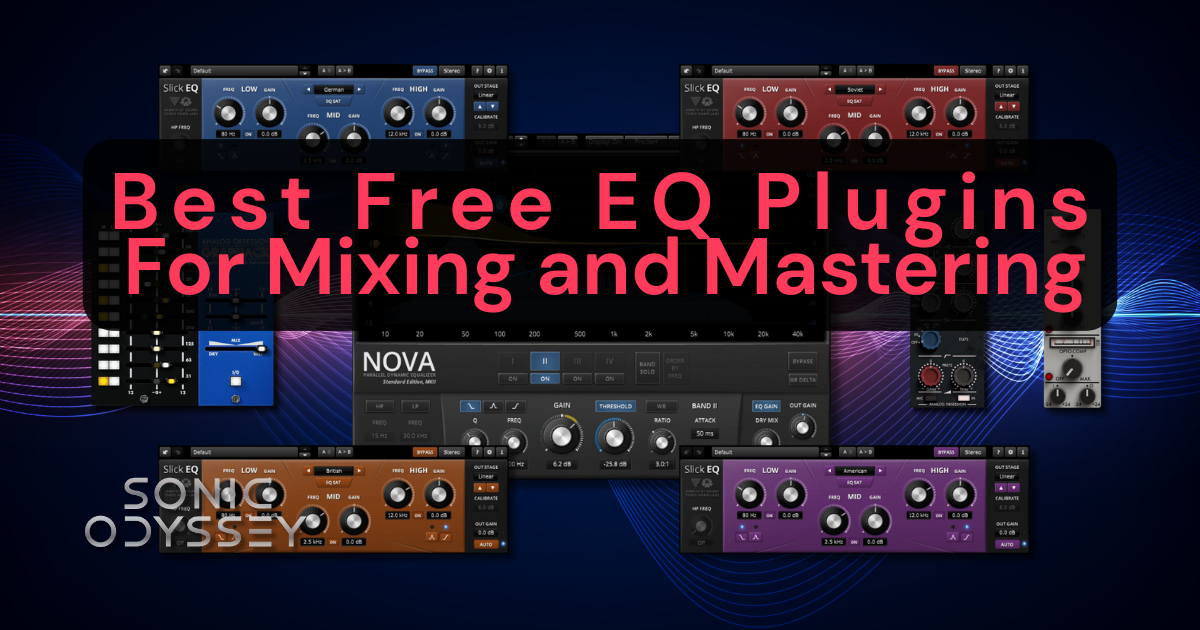
Free EQs that are actually worth using in real mixes
 Zachary Darrel Randall
What each mic type actually does and when to use it
 Zachary Darrel Randall
Current deals on vocal plugins that are actually useful
Affiliate Disclosure: Sonic Odyssey is reader-supported. Some of the links on this page are affiliate links, which means if you click through and make a purchase, we may earn a small commission at no extra cost to you. This helps us keep the lights on and continue creating in-depth, unbiased content.


